New Neuroscience Research Supports a More Human Approach to Rehabilitation

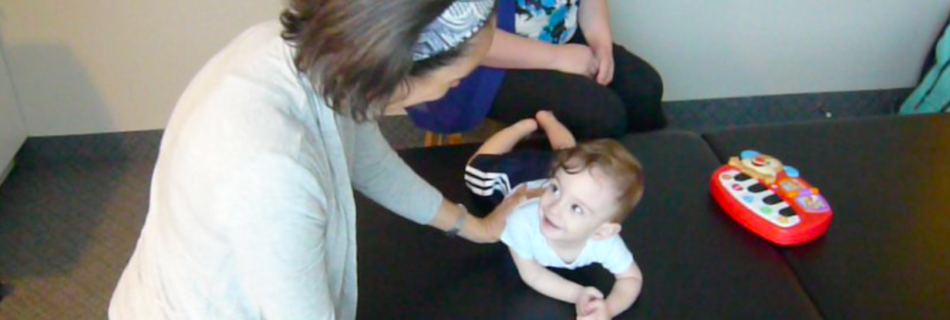
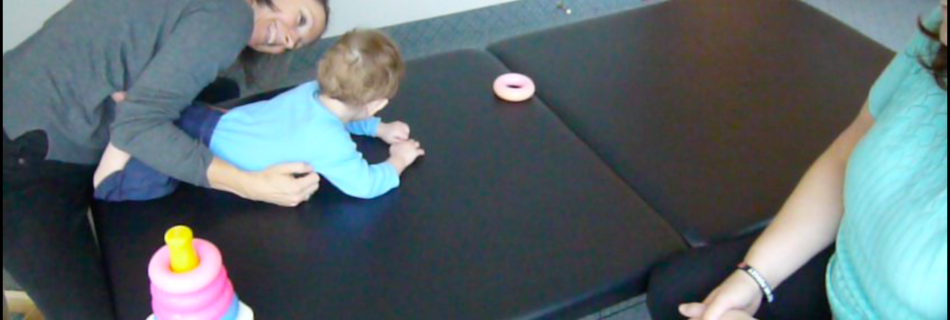
A fascinating new paper published by Anat Baniel, Eilat Almagor, Neil Sharp, Ohad Kolumbus and Dr. Martha R. Herbert in Frontiers in Integrative Neuroscience explores a simple but powerful idea: movement is not just mechanical, it is deeply connected to attention, emotion, and human relationship. They suggest that rehabilitation is most effective when it goes beyond exercises …

Vision Related issues due to Concussion improved after NeuroMovement® lessons

Changes experienced over a six month period after having weekly NeuroMovement lessons. (23 lessons in total) Eye Examination Results Client testimonial: Before seeing Lorrie Jollimore my body couldn’t remember how to hold itself up. My once agile, flexible body was brick-like; stiff, heavy, and lacking fluidity. The motor vehicle accident from Feb 1, 2021, gave me …

Research Supporting Feldenkrais and Anat Baniel Method NeuroMovement®

I sometimes encounter people who have a bias towards physiotherapy for physical rehabilitation since it’s “prescribed” by a medical doctor. The outcomes I’ve experienced with clients always help to provide the information they need to change how they move and then that experience, results alone, changes how they think about traditional therapies, and they often …

Traditional rehabilitation therapy vs. neuroscience research

There are some oversights when it comes to traditional rehabilitation therapies when compared to advances in neuroscience research. The idea of focusing on muscles instead of the brain, doing mindless repetitions with no attention paid to movement to create “muscle memory” will only provide limited outcomes.  The whole idea of thinking in terms of muscle …

A different kind of teacher, a different kind of lesson

Article first published “PEI Living Magazine” Winter 2017.Written by Louise Campbell Wordsmith. Lorrie Jollimore always thought she would be a teacher. As her graphic design career blossomed, however, it seemed unlikely. And then everything changed! Lorrie’s interest in neuroscience started when her daughter was diagnosed at 11 months with Cerebral Palsy, resulting from a brain …